“If we remove all risk, do we also remove the very experiences that make life meaningful?” -Unknown
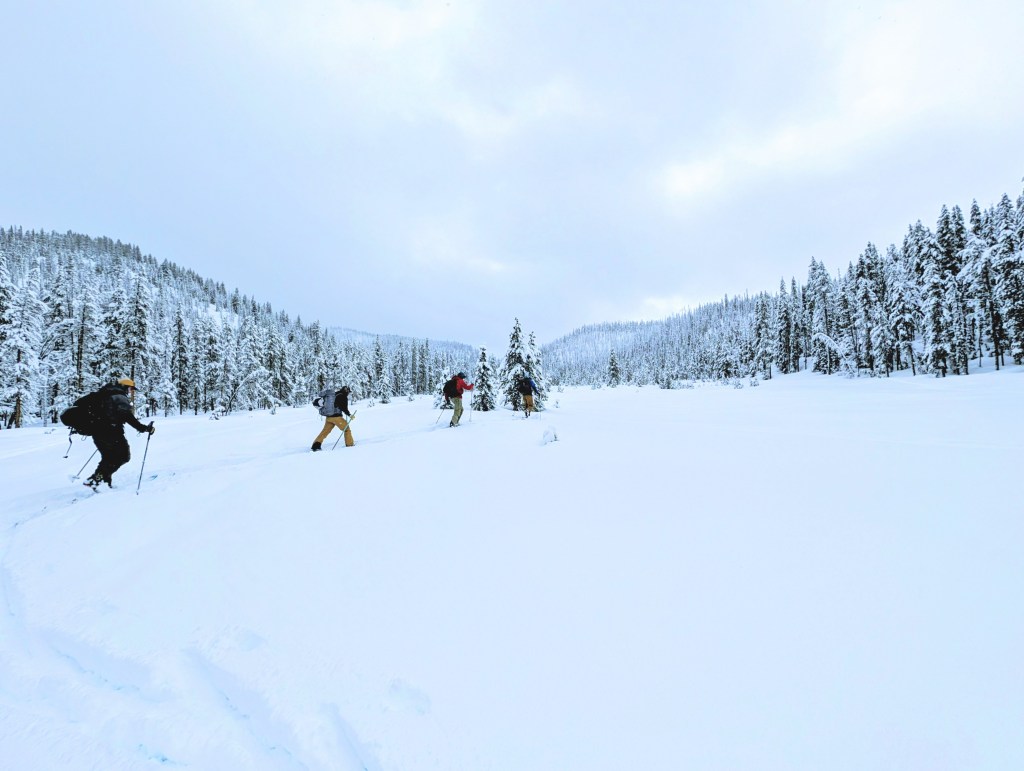
It’s a brisk, early morning in mid-February, and I’m hugging Tony and three of our friends goodbye in the dark driveway. Jackson — who never wakes up before 8 — is somehow wide-awake, wrapped around his dad like his internal clock knew this wasn’t a normal morning, like he needed to get up realllll early for one last hug. Tony and the group are heading out on a seven-day ski trip to Canada. And yes, I was invited. But ultimately, we decided that as parents, this probably wasn’t the trip for both of us to go on. When the group text started lighting up with packing lists that included harnesses, ski crampons, and ice axes, we quietly pulled the plug on my participation. Tony laughed and said, “We can’t both go to Canada and die on a ski trip — that’s what happens to the parents in Jumanji!” We didn’t actually think anyone was going to die. But I’m sure neither did the mom group in Tahoe who, that very same week Tony left, experienced a devastating avalanche that killed nine members of their group. Suddenly, what had felt adventurous and bold also felt fragile.
If you didn’t see the Tahoe avalanche story, here’s the quick recap (you can read the full CNN article here if you want the details). A tight-knit group of women who had spent years adventuring together set out on a three-day hut trip in the Sierra Nevada. There were 15 people total — four of them professional guides hired to safely lead them through the terrain. On their exit day, Tuesday, February 17th, an avalanche swept down on the group. Nine people were killed (including three of the guides). It’s absolutely heartbreaking. I didn’t know them, but I feel like I did. They’re me. They’re me and my friends. Many were moms with kids on a local ski team. That’s me. Many had avalanche training, experience, and years of practice. That’s me. They were invested in their communities, met up annually for girls’ trips, prioritized adventure and friendship. That’s us. And now many of them are gone. I won’t lie — that week my bestie and I went deep down the rabbit hole trying to understand what happened. She’s a ski guide for an avalanche education company, so this hit her both professionally and personally. I just felt it in my gut. In our ski touring world, when something like this happens, we want to know why — not out of morbid curiosity, but because we want to learn.
And as if that wasn’t enough emotional whiplash, the Olympics were unfolding that same week. The Olympics — where dreams come true… and shatter. Where bodies are pushed to their absolute limits… and sometimes break. As you have probably read about, Lindsey Vonn crashed at speeds nearing 70 mph, her leg breaking in multiple places in a catastrophic fall. As of now, it appears amputation won’t be necessary — but the road ahead will be long and brutal. Watching it all unfold felt like another reminder of how thin the line can be between glory and devastation.
So between the Tahoe avalanche tragedy, the Olympics, Tony leaving for his own trip, and me still chasing powder turns in the backcountry, my brain was busy. Nightmares. Daytime spirals. Questions that wouldn’t let me go quiet:
Is it worth it?
What did those moms think in their final moments — did they regret going?
Where is the line that shouldn’t be crossed, especially as a parent? (Not because parents’ lives are more valuable, but because our responsibility is heavier.)
And for Olympic athletes who risk everything for a shot at gold — when it ends in injury or failure — is it still worth it?
The questions just kept coming. And even if you aren’t into adventuring in the mountains, keep reading because this Elevate Livin’ Life e-newsletter this month should still hit close to home because it will talk all about life and death, risk and comfort, throughout all aspects of our existence.
Is Life Always Around Us?
Before Tony left, I met up with my bestie to ski some backcountry lines we were ridiculously excited about — because we knew the snow was going to be AMAZING. On the drive to her house, I was listening to The Avalanche Hour, and the host shared about losing friends in an avalanche. Then the guest said she had, too. It struck me how common that story is in the mountain world. So many people have lost someone out there. And then it hit me — I have too. I personally know someone who has died in the mountains in an avalanche in Colorado.
That realization spiraled me a bit. If I know someone, and almost everyone in this industry knows someone… is it just too risky? Is the death rate high enough that this simply isn’t a sport I should be doing?
And then my mind shifted. It brought me back to the most recent loss I’ve experienced — Gina, my mother-in-law, who died from cancer last year. And I realized something sobering: I know far more people who have died from cancer than from backcountry skiing. That perspective stopped me in my tracks. Yes, there is risk in skiing in the backcountry. But there is also risk in not skiing in the backcountry. There is risk every single day of your life — walking out your front door, getting on an airplane, swimming in the ocean, even taking a bite of food. I sadly also have a friend who died choking on a piece of steak at a restaurant, oof.
Death is always around us.
But maybe the better question isn’t whether death is always around us. Maybe the question is — is life all around us?
Life Over Death
Yes, going into the backcountry is inherently riskier than walking out your front door or eating your lunch. I briefly considered looking up the statistics… and then decided I don’t actually want to know. I want to have knowledge. I want experience. I want training. But memorizing death rates? That’s one piece of information I’m okay being naïve about.
It’s like snorkeling in Hawaii — I don’t want to know how many people die from shark attacks. In my mind, it’s zero. Blissful ignorance? Maybe. But it’s intentional. Because despite the risk of dying, going into the mountains — into the backcountry — or really just choosing to adventure at all feels less about death and more about life. About feeling alive.
The joy. The awe. The belly laughs on a skin track. The quiet stillness at the top before you drop in. Those moments are a breath of life I don’t think we’re meant to live without. Yes, you might risk getting hurt. You might even risk dying. But if you never go, you risk something else entirely — the slow fade of not feeling ALIVE.
As one of my favorite quotes says, “Do not fear death, fear the unlived life.” — Tuck Everlasting
I think about those moms in Tahoe. How many trips had they been on before the one that ended their lives? I hope it was a lot. I hope there were years of memories — laughter, inside jokes, summits, powder days, shared snacks, shared fears. Because let’s be honest, with most things in life you get all of it — the joy and the anxiety, the beauty and the risk, the exhilaration and the doubt. But they LIVED. They didn’t stay home because something might happen. They knew the risks. They trained. They hired guides. They mitigated what they could. And sometimes, even when you do everything “right,” you still get unlucky.
Not that it all comes down to luck — avalanche science is layered and complex — but there is an unpredictable element. You can ski in high avalanche danger on steep terrain (not recommended) and come away clean. That’s part of what makes avalanche decision-making so humbling. The days you “get away with it” can blur your perception of risk. But that’s a conversation for another time… maybe over on my McCall outdoors blog.
When reading about the tragedy, one quote from a husband who lost his wife in that Tahoe avalanche stopped me in my tracks: “Caroline spent her final days doing what she loved best, with the people who loved her most, in her favorite place,” Mr. Sekar wrote. “She was with me, her children and our puppy, and then on one last adventure with her sister and close friends, who she now rests with.” Golly, that gives me chills and has me tearing up, what about you?
Also, in that same article, Sara Boilen — a clinical psychologist and backcountry skier in Montana — said something that feels so true: “We love who we are in the mountains.”
That’s it, isn’t it?
We choose life in the mountains — even knowing it might someday mean death in the mountains.
What are the things in your life that you might risk it all for? What makes you feel so ALIVE and happy and joyous that it is worth that risk?
Mitigating Risks
Let me be clear — I don’t want to die in the mountains. And I can guarantee those moms didn’t either. Choosing life in the mountains doesn’t mean being careless about death. It means doing everything in your power to minimize the chances of it. And even if backcountry skiing isn’t your thing, the principle still applies to whatever you do love.
The question isn’t how to eliminate risk — because you can’t. The question is how to manage it.
You learn (hello, avy courses). You practice. You gain experience. You surround yourself with people who know more than you. You check your ego. You constantly challenge yourself to grow wiser, not just braver.
I won’t lie — after going deep down the Tahoe avalanche rabbit hole, my confidence that week was shaken. Even my bestie — who sometimes has a higher risk tolerance than I do — admitted she felt wary after staying up late reading reports (and having avalanche nightmares of her own). But we had waited months for that powder. And no, “we’ve been waiting forever” is not a good reason to go play in dangerous terrain. Powder fever is real — and it clouds judgment.
So we didn’t ski dangerous terrain that day.
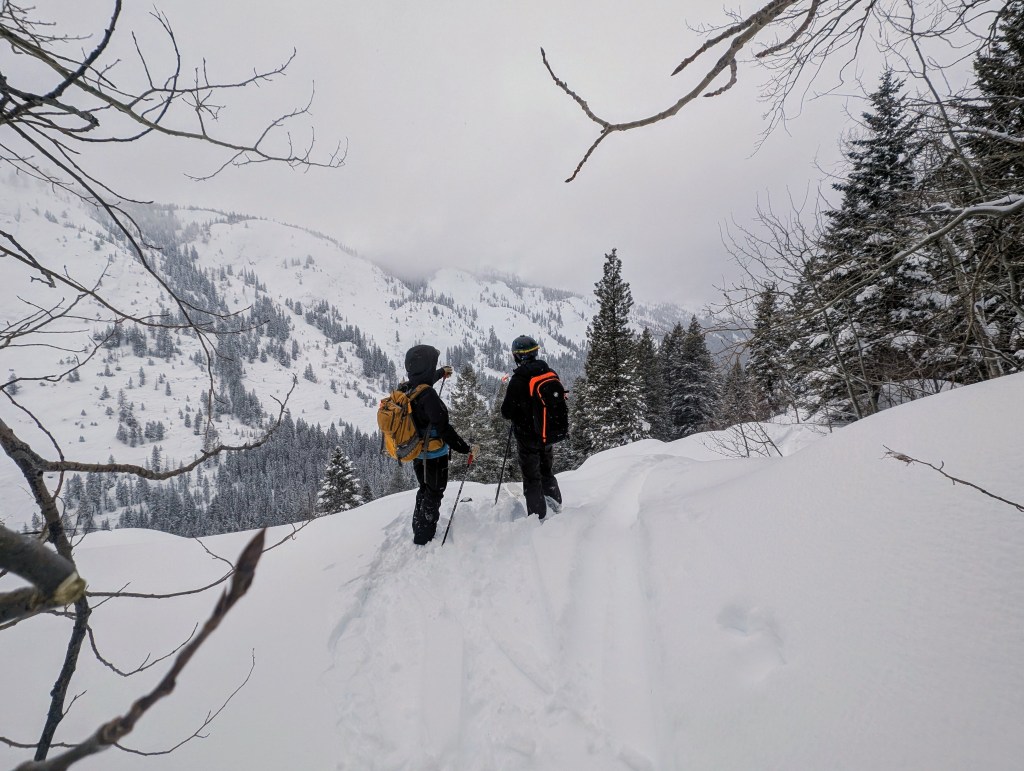
For us, managing risk meant choosing non-avalanche terrain. Low-angle slopes with no connected steeper terrain above. Areas that, based on everything we know about that zone, simply do not slide. Is there still risk? Of course. There is always risk. But we were playing the safer odds.
For extra reassurance, I texted a mentor of mine and asked his opinion. He responded, “I’d go ski that slope alone on a high avy day because of how safe it is. Honestly, the bigger concern is getting hit by a logging truck on the road or your skis colliding with a hidden tree stump under the snow.”
And wouldn’t you know… my ski did collide with a buried stump that day. Thankfully it caught the bottom of my ski and not my body — but I felt it. Oh AND, a week after he made that comment about the higher risk coming from the chance of being hit by a logging truck, welp, a Sherriff’s vehicle was hit by a logging truck on that same road!!
Risk doesn’t disappear just because you prepare well. It just shifts.
So I guess what I’m trying to say is this: yes, there are risks in almost everything you do in life. But is not going always the better answer? For some people, yes. And that’s okay. But for most of us — especially when we can thoughtfully manage the risk and stack the odds in our favor — I don’t think the answer is to stay home.
Ignoring Loved Ones
Seven years ago, Charlie was one, and I was deep in that brand-new season of motherhood — new baby, new town, new identity. I love my kids fiercely… but I’m not a “sit inside all day with a sleeping baby on my chest” kind of person. They were adorable, yes. But after the fifteenth nap trapped on the couch, I could feel myself unraveling a little.
So I pivoted.
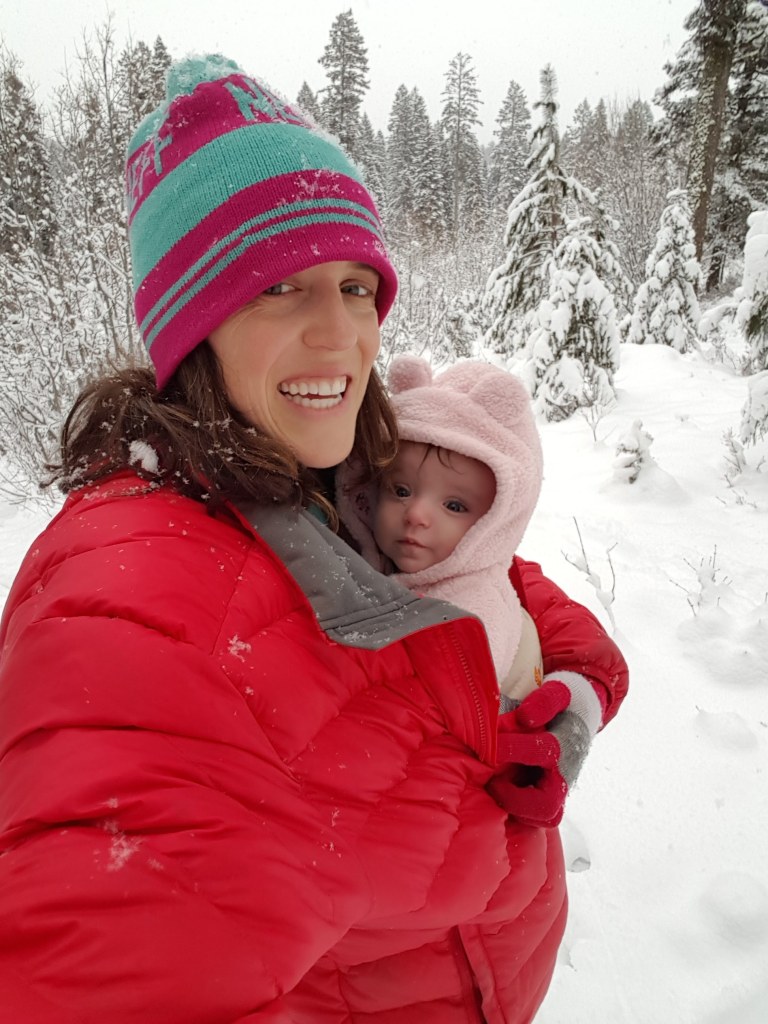
Instead of Charlie sleeping on my chest inside, I strapped her into a backpack and let her sleep while I moved my body outside. Long walks. Trails. Fresh air. I found freedom again. I found joy. I found myself.
And then my dad — who is an outdoorsy, adventure-supporting human — made a comment. “That’s not safe. What if you roll your ankle and can’t hike out with a one-year-old?”
Cue the mom guilt.
What if he’s right?
Am I being reckless?
Am I putting my baby at risk?
Yet underneath all of that fear was a quieter but equally strong voice: But I need this. For my mental health. Please don’t take this away from me.
So I kept going. I mitigated what I could. I always told Tony where I was. Eventually, we got a Garmin so I could call for help if something did happen. I wasn’t ignoring risk — I was managing it.
And the point of this story isn’t to throw my dad under the bus (sorry, Dad — I know you were just being a protective dad… and grandpa). It’s this: sometimes the people who love you most will project their fears onto your choices. And sometimes you have to respectfully hear them… and still listen to your gut.
You know your limits. You know what you need. You know how to mitigate the risks in your own life. Even when the voices around you are loud.
Also, give pause when you are that loud voice. It might be a good call to speak up if you have someone truly being reckless, or it might be a time to bite your tongue and know they’re needing this and playing it as safe as they can. 😉
Finding Your Limit
That said — we all have limits.
I have family members who don’t love skiing nearly as much as I do, and they probably don’t think it’s worth even slightly risking the backcountry just to ski powder. I get that. Truly. And I have my own limits, too.
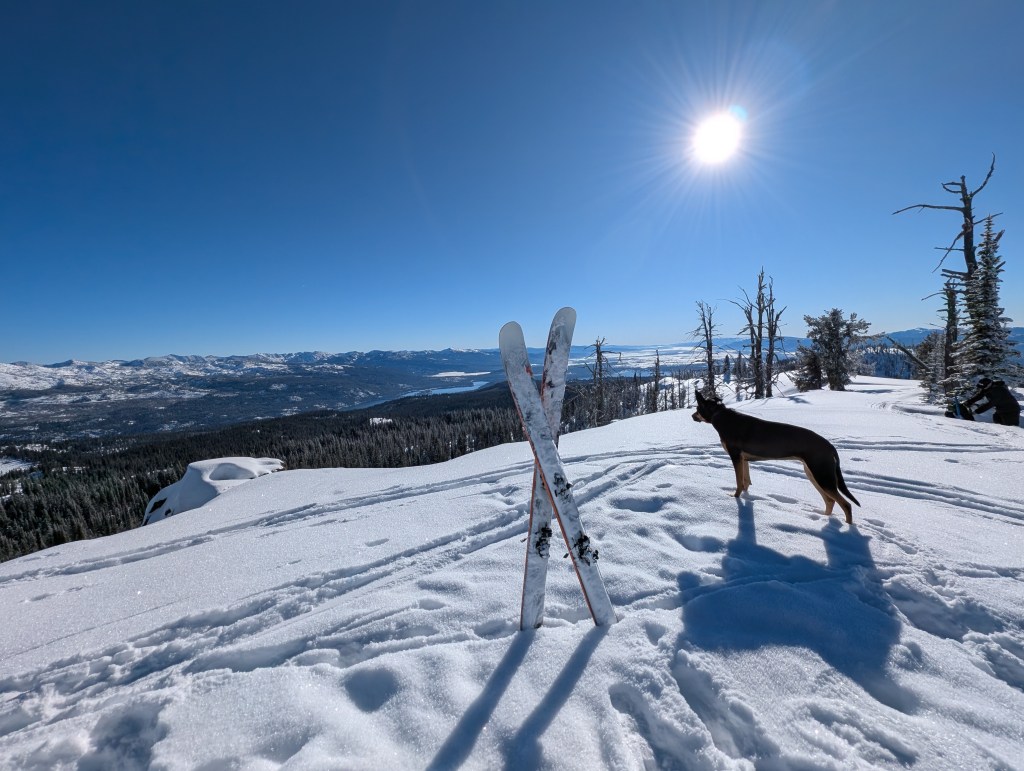
I love bagging peaks. I love standing on a summit with 360-degree views, lungs burning, heart pounding, soaking in that earned-it feeling. I love the runner’s high of pushing to the tippy top. But I have zero desire to climb Everest or any other ultra-high, objectively dangerous mountain. Hard pass.
I love skiing powder. But I don’t need to put myself on super steep, consequential terrain just to float on blower snow. That’s not my edge.
Like I mentioned earlier, Tony left for that Canadian ski trip — and the second I heard words like harnesses and ice axes, I knew it wasn’t for me. That doesn’t make it wrong. It’s just not my version of fun. I think it’s awesome for the people who love that type of adventure.
Do I think Tony is going to die? No. I don’t.
Do I think he’s going to be pushed into uncomfortable situations? Absolutely. (Notice I said uncomfortable — not reckless.) He’ll be stretched. He’ll learn. He’ll grow in skill and mental fortitude. And I can’t wait to hear all about it when he gets home.
And I also can’t wait for him to tell me about the zones I will want to ski — the ones that don’t require ropes and crampons.
Meanwhile, our kids are watching all of this. The conversations about the Canadian trip, the preparing with all the gear, and that same week I realized we are definitely raising adventurous kids because when we received 11 inches of powder on Monday, they begged me to let them skip school to go ski. Although maybe that was more about skipping school than skiing? 
Later that week we watched an intense ski mountaineering video and Jackson immediately declared, “I want to ski off the top of that mountain too!”
And there I sat — one part of me swelling with pride, thinking, Yes. Be bold. Be adventurous.
And the other part of me thinking, No no no, that’s way too dangerous.
Now I sound like my dad!
Raising Adventurous Kids
So, then there’s that layer that feels even heavier — raising adventurous kids who might someday go bigger, harder, and more dangerous than you ever did.
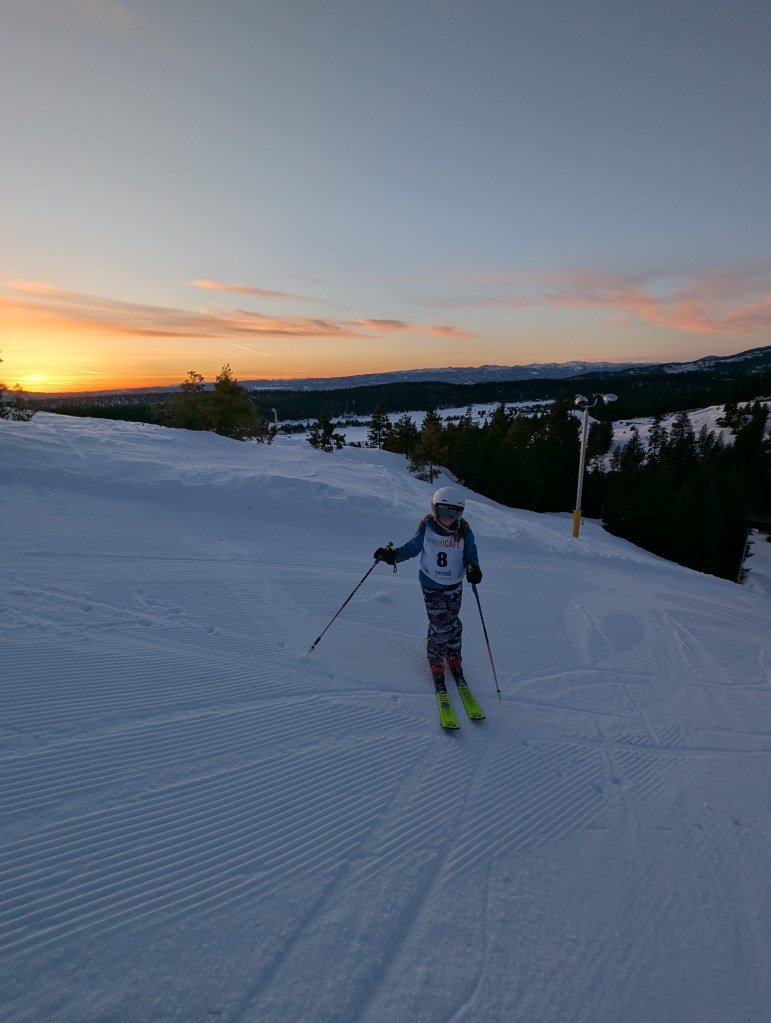
When I watch Lindsey Vonn, I can’t help but wonder… is Charlie on a path that could someday look like that? She’s entering her own ski racing chapter next year. If she loves it — if she’s good at it — do I want that for her? Do I want to be the parent standing on the sidelines, heart in my throat, watching her hurl herself down an icy track at terrifying speeds? Or do I quietly steer her toward “safer” sports now? Are we already shaping that path by choosing alpine over Nordic?
And what if she’s destined for something big? Do I hold her back because it scares me?
Then there’s Jackson — our “Action Jackson.” He’s bold. He’s clumsy. He trips walking to the car half the time. Do I really want to watch him start throwing flips and spins in competitions? Do I want to see him eyeing big lines with big consequences? If I’m honest, that thought makes my stomach drop.
But then I circle back to everything I’ve already said. If that’s what makes him feel alive — if that’s where his gifts and passions lead him — how do I justify clipping his wings because I’m afraid?
A few years ago, I read The Adventurer’s Son by Roman Dial. It’s the story of a father searching for his son who went missing while backpacking in Central America. Roman raised his kids in Alaska immersed in adventure — travel, exploration, wilderness. After his son disappeared, he wrestled deeply with guilt. Did raising him this way lead him toward the very risk that took his life? Should he have protected him more?
I won’t spoil where he ultimately lands. But a few lines from that book have stayed with me:
“To live fully is to accept risk.”
“Adventure is not about death. It’s about life.”
“We do not protect our children by keeping them from living.”
And another quote I’ve heard that echoes the same tension:
“If we remove all risk, do we also remove the very experiences that make life meaningful?”
As much as it scares me, I believe we are meant to live in a way that makes us feel most alive. And if we believe that for ourselves, we have to wrestle with believing it for our kids, too.
I don’t want to die young. I don’t want them to die young. I don’t want to die anytime soon. But I also don’t want to live small. I don’t want them to live small. I would rather they live a full, expansive, brave life — even if it carries risk — than tiptoe to 90 wishing they had said yes more often.
And for the record, I think you can do both. I think you can live big, adventurous, meaningful lives and grow old, too.
But I’m curious — if you have older kids, how have you navigated this? Have you stood on the sidelines watching them do things that terrified you? Was it hard? And looking back, are you glad you let them chase it?
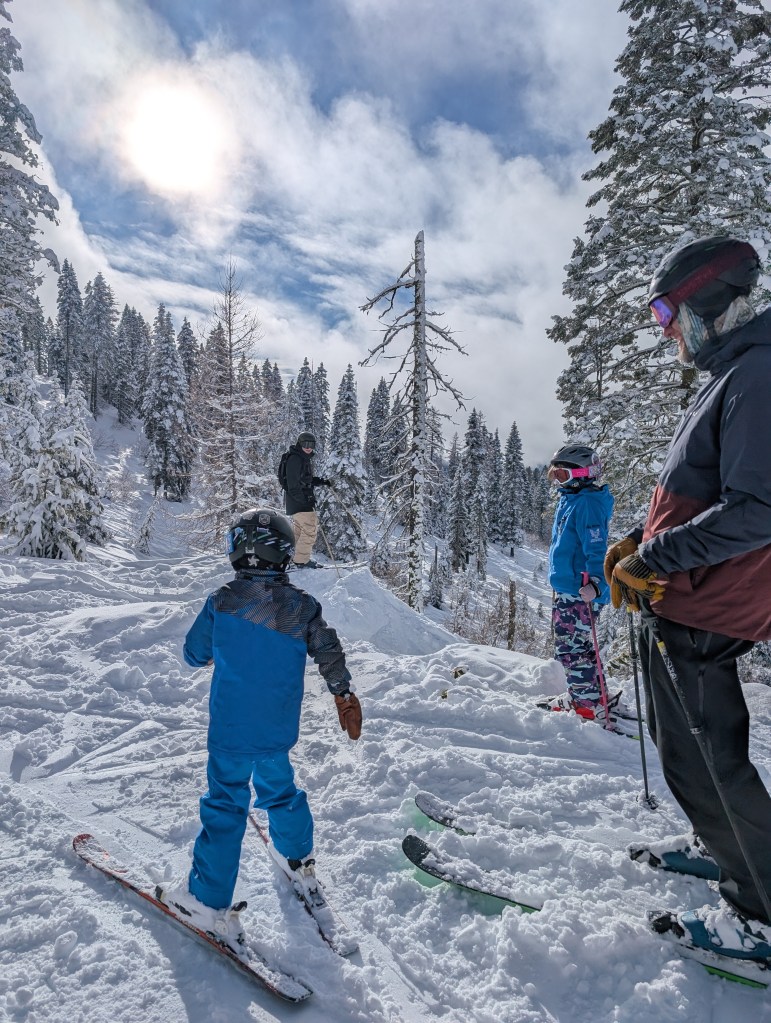
When Risk & Limits Change
I’ve also learned that your risk tolerance — your limits — aren’t fixed. They evolve.
When I first started backcountry skiing, I was brand new to skiing (former snowboarder over here  ), so steep terrain didn’t even tempt me. I was perfectly content living my best life on low-angle slopes. Zero desire to “push it.”
A few years later? I’ll admit — the steeper stuff looks more interesting. Not crazy steep. Not reckless. But steeper than where I started.
Growth changes things.
During our avalanche course a few weeks ago, one of the guides shared that his best friend and longtime ski partner set new rules when he became a dad. He no longer “toes the line.” He created firm personal guidelines — for example, if there’s a persistent weak layer in the snowpack, he simply doesn’t ski slopes above 30 degrees. Period. No debate. No powder fever exceptions.
I love that.
Because it acknowledges two things at once:
- You can love adventure.
- You can tighten your boundaries as your life changes.
Your limits might shift because your skills improve. Or because you have kids. Or because you’ve experienced loss. Or because you simply value things differently than you used to. That’s not weakness. That’s maturity.
And if I want to play in steeper terrain someday? Then I need to match that desire with deeper avalanche education, more mentorship, and more disciplined decision-making. Desire without growth is dangerous. Growth with guardrails is powerful.
Like that ski guide’s friend, maybe the answer isn’t avoiding adventure — maybe it’s defining your own rules for how you’ll engage with it.
Because when life changes, your boundaries should change with it.
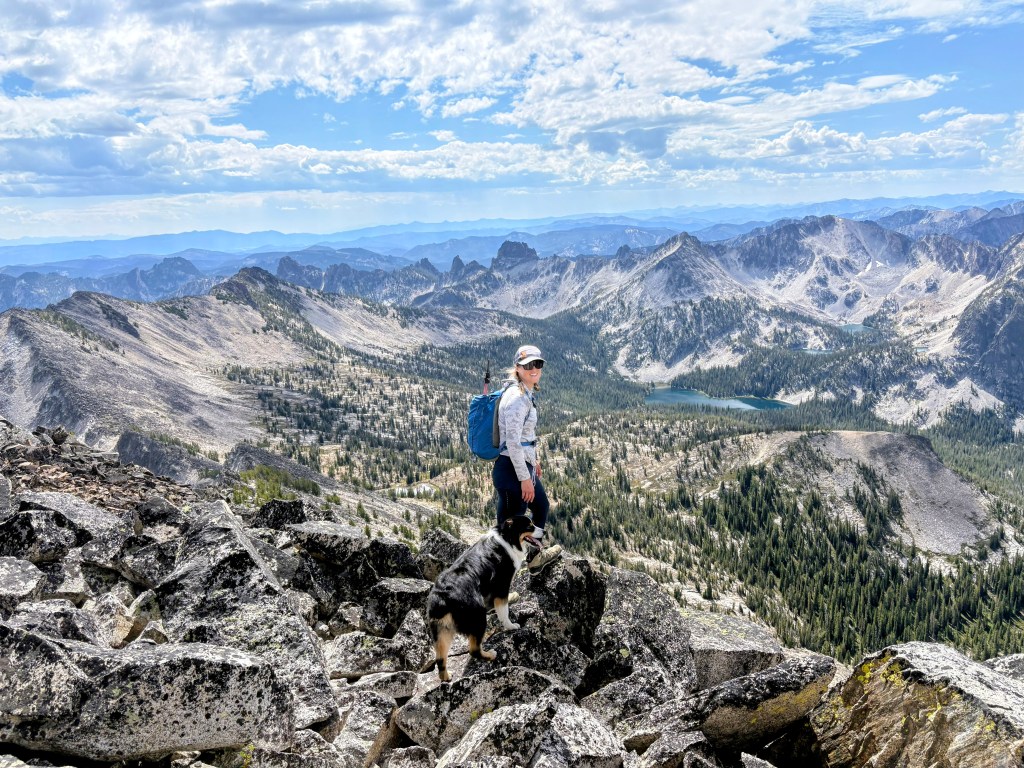
If I Die in the Mountains
So if I ever die in an avalanche, or anywhere adventuring outside, let this be clear: I’m going to be really pissed. And I will be heartbroken for my kids, my husband, my parents. If someone handed me a crystal ball today and said, “You will die in an avalanche,” I might honestly sell my backcountry setup and become a resort-only skier. (Although… people die in avalanches at resorts too, so apparently nowhere comes with a full guarantee.)
The truth is, I could die mountain biking. Or hiking. Or driving to the trailhead. Or walking out my front door.
I’ve chosen lines I won’t cross — ski mountaineering with ropes and exposure isn’t for me. But I will step into slightly unsafe territory to be outside on my skis, my bike, my feet, because of how deeply alive it makes me feel.
And if I do die in an avalanche — kids, I am so sorry. Truly. But I hope the lesson you take isn’t “avoid the avalanche at all costs.” I hope it’s this: learn. Educate yourself. Respect the risk. Do everything you can to mitigate it. And then, if it’s something that sets your soul on fire, go.
Whether that’s living boldly in a big city, chasing extreme sports (deep breath thinking about you, Jackson), flying fighter jets, guiding in the mountains, or something none of us can even imagine yet — I hope you choose a life that feels so alive it’s worth navigating the risk.
I hope you gain the knowledge and experience to reduce injury and death as much as humanly possible. But even knowing risk is always lurking somewhere, I hope you move forward anyway — not recklessly, but bravely.
Alright, friends — I’m curious.
What have you done in your life that felt really risky… and afterward you thought, that was NOT worth it?
And what have you done that was terrifying… but absolutely worth it?
What’s calling you right now that scares you just a little?
As always, thank you for reading along.
Kelli
And before I fully close this out, I just want to say this — to the Tahoe families, the husbands, the children, the parents, the guides, the friends, the entire community grieving right now… I am so deeply sorry. I didn’t know those women personally, but I feel connected to them. They were moms. They were adventurers. They were friends who loved the mountains. They were doing something that made them feel alive. And my heart aches for the families who now have to navigate life without them. I am holding you in my thoughts and prayers. I am praying for peace, for strength in the days ahead, and for the mountain community to wrap around you in ways that feel tangible and steady. —–You are not forgotten.—–
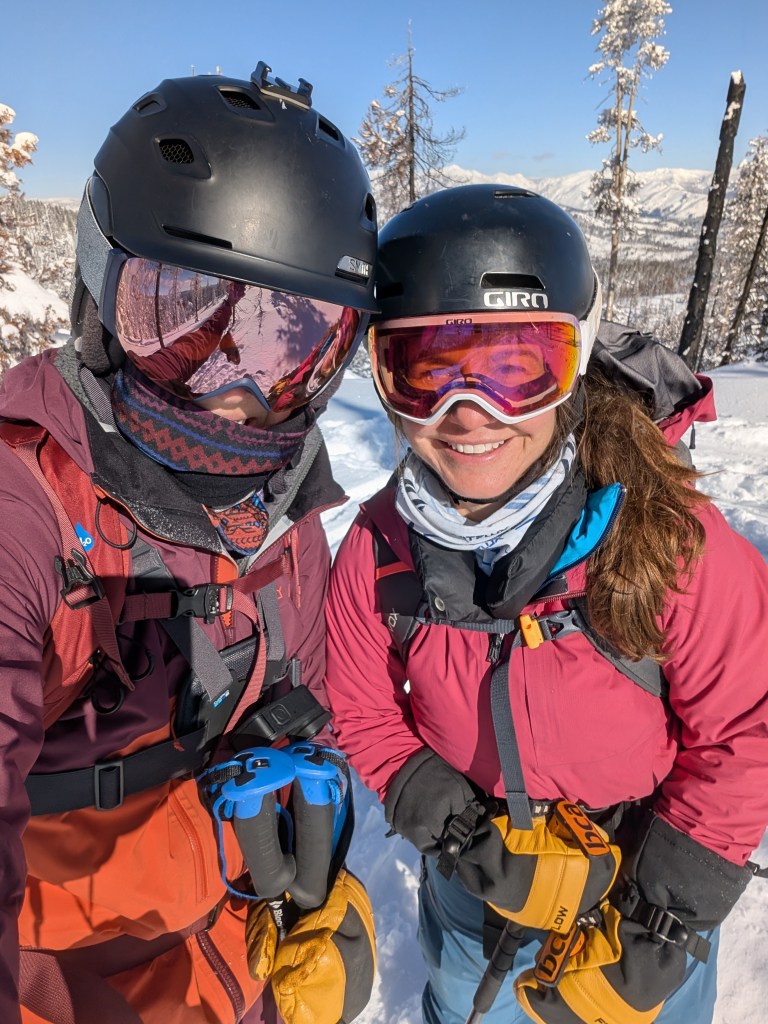
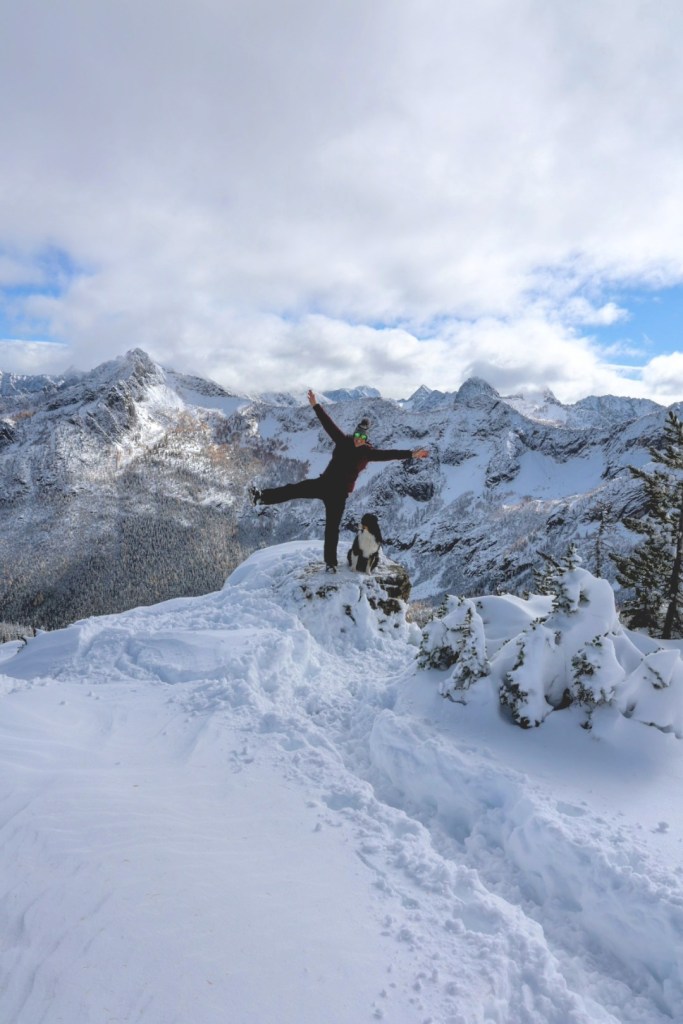
That day my bestie and I skied low angle and epic terrain chasing deep deep powder!

